An Ongoing Research Project And The State Of The Archives In 2026.
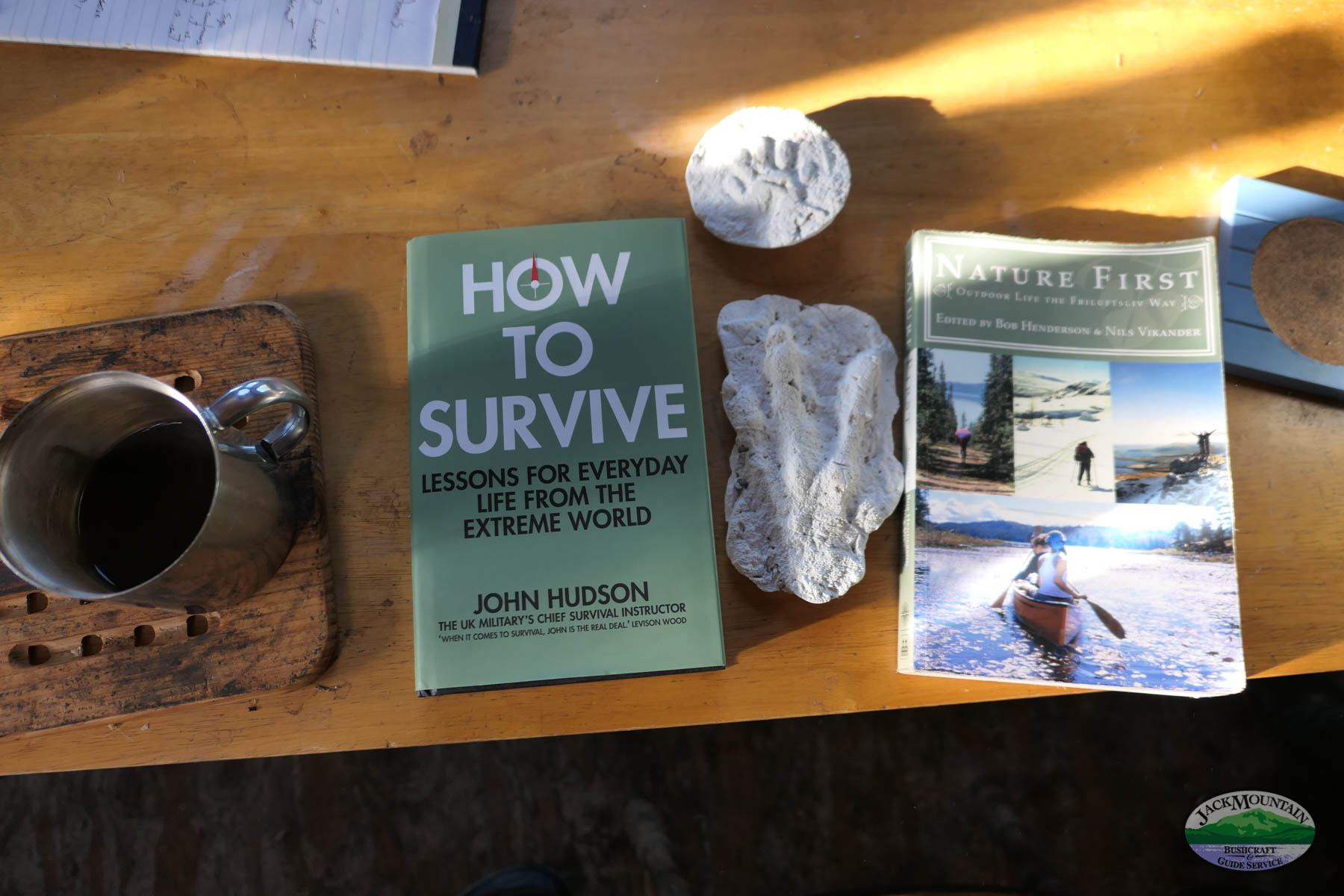
In 1996 I first met Mors Kochanski when I took a course at his place in Alberta. As anyone who knew him will attest, he was a lover of books and a voracious reader. During the course I asked him if he were running a PhD program in bushcraft and traditional living and travel skills, what would the reading list be? He thought about it for a moment, then said he’d have to get back to me on it. A few months later I got a letter in the mail from him, and it contained a list of around 100 books he had come up with. It took me about ten years (pre-internet for me) to track them all down, but eventually I read them all. I don’t have the original letter anymore (I looked for it a few years ago), but the JMBS Bibliography from 2008 or so contains them, along with some annotations. Read it at: https://www.jackmtn.com/PDF/JMBS_Bibliography.pdf
I have added a lot to the library since then, but the list of my top 21 books at the end still holds up. I’ve also expanded the scope to include permaculture, homesteading, guidebooks of various canoe routes, natural history and field guides, and general related historical and anthropologic texts.
Some of the books that have found their way to me are exceptionally rare and old, and through regular wear and tear are nearing the end of their life. So about 2014 I started scanning them. I also started looking online for pdf copies of books I already had in order to save me the work of scanning them. And I started calling it the Jack Mountain Bushcraft Digital Archives. In addition to creating an archive of important books, it also functions as a portable library that can travel with me. These days I am able to bring it all on a small external hard drive that I can plug into an ipad, and have reading access to the whole thing whether I am waiting out a storm on a canoe trip or traveling cross country.
Currently the JMBS archive of books is at about 46 GB and there is still a lot of work left to be done. I still have a stack of old, rare books to scan, and this stack keeps growing larger.
Upon posting this I will likely get a bunch of emails asking for a download link. While I don’t want to be a gatekeeper for this archive, I also don’t want to post it on the internet. I have known many of the authors whose work is in the archives. Some have been my colleagues, others my heros, and many have been both. So out of respect, and because many of the books are still in print, I have no plans to post it. I have shared it with students, but only after they contributed to the project by scanning one or more old or rare books. My plan is to continue to give it freely to those who contribute.
An interesting side note is the rise of AI and all of the slop that it generates, I think for future generations books that were published before the AI era will be held in higher regard because they won’t contain the slop. By this I mean they can be trusted – with the rise of AI generated stuff comes a lack of trust, at least for me.
So if you’re new and looking for a place to start, check out the bibliography. Then you can look online for digital versions of some of the books. And if you’re new to scanning old books, you don’t need any special equipment. I haven’t used an actual scanner in years, choosing instead to use a smartphone and the Genius scan app.